 Lucas F.São Paulo
TOEFL iBT®
4.0 a 5.0
in 8 settimane
Il miglior rapporto qualità-prezzo per preparare gli esamiConfronta































di aumento medio in punti per 96 studenti TOEFL iBT®, dalla prima simulazione all'ultima.
| Quota dei punti | Prima | Dopo |
|---|---|---|
| 0–5% | 0.1% | 0% |
| 5–10% | 0.2% | 0% |
| 10–15% | 0.6% | 0% |
| 15–20% | 1.4% | 0% |
| 20–25% | 3% | 0.2% |
| 25–30% | 5.6% | 0.5% |
| 30–35% | 9% | 1.5% |
| 35–40% | 12.4% | 3.3% |
| 40–45% | 14.8% | 6.5% |
| 45–50% | 15.1% | 10.5% |
| 50–55% | 13.5% | 14.4% |
| 55–60% | 10.4% | 16.6% |
| 60–65% | 6.9% | 15.9% |
| 65–70% | 3.9% | 12.9% |
| 70–75% | 1.9% | 8.8% |
| 75–80% | 0.8% | 5.1% |
| 80–85% | 0.3% | 2.4% |
| 85–90% | 0.1% | 1% |
| 90–95% | 0% | 0.3% |
| 95–100% | 0% | 0.1% |
Lucas F.São Paulo4.0 a 5.0
in 8 settimane
 Minh A.Ho Chi Minh City
4.5 a 5.5
in 12 settimane
 Yuki T.Osaka
3.5 a 4.5
in 10 settimane
 Dilnoza R.Tashkent
4.0 a 5.0
in 9 settimane
 Ahmed S.Riyadh
3.5 a 5.0
in 11 settimane
 Valentina G.Bogotá
4.5 a 5.5
in 7 settimane
D1A harbor ferry charges a fixed booking fee plus the same price for each passenger. The table shows the total cost of two bookings. What is the fixed booking fee?
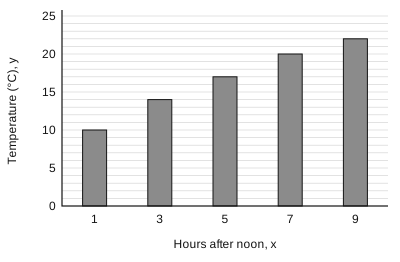
D2The bar graph shows the air temperature , in degrees Celsius, hours after noon, for the times shown. The temperature at is greater than the temperature at . What is the value of ?
D1A radioactive nucleus X decays into a stable nucleus Y. During this decay the nucleon number falls from 232 to 212, and 2 beta () particles are emitted.How many fewer protons does nucleus Y contain than nucleus X?
D1For , the curve has gradient at exactly one point.What is the -coordinate of that point?
D1A curve has equation . Find its stationary points and determine the nature of each.
D1The equation has a root . Find the other two roots.
D1A 0.40 kg trolley is pulled up a ramp at 30° to the horizontal by a force parallel to the ramp. It accelerates uniformly from rest to 3.0 m s⁻¹ in 2.0 s. A constant resistive force of 0.20 N acts down the ramp. Find the pulling force.
D125.0 cm³ of sodium hydroxide solution exactly neutralises 20.0 cm³ of 0.150 mol dm⁻³ sulfuric acid. The equation for the reaction is shown. Calculate the concentration of the sodium hydroxide.
D1Fill in the missing letters to complete the text.

D1How can students have their orders shipped on time?
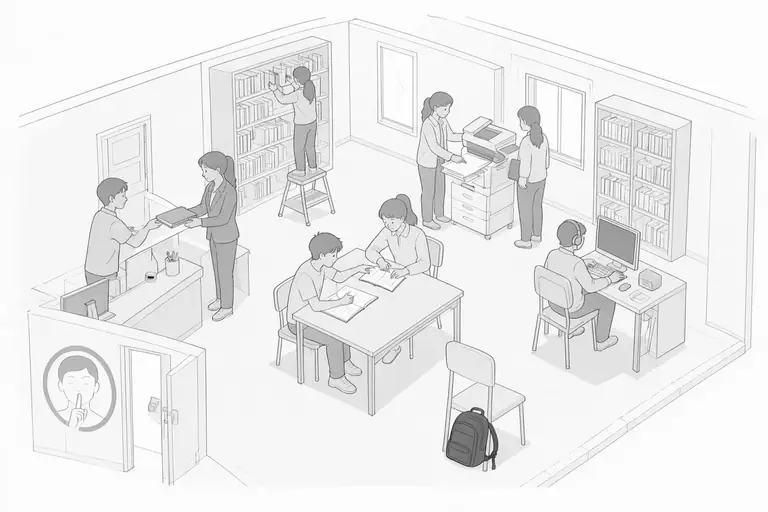
D1Listen and repeat only once.
D1Make an appropriate sentence.
Parlato e scritto sono le parti più difficili da verificare senza aiuto. Valutiamo ogni risposta secondo i criteri ETS e mostriamo cosa correggere nelle tue parole.
You are taking part in a study about how students build study routines. Listen to the researcher and answer each question. You have 45 seconds for each answer.
To begin, what is one study habit you use regularly, and how did you start doing it?
One habit that really works for me is flashcards. I write a new word on one side and an example sentence on the other, and I review them on the bus every morning. Because of this, I remember much more words in my English class.
You answered the first part well. The flashcard example is clear, and the bus detail makes it real. But the question also asks how you started, and you never say. Add one sentence about that. One grammar fix: say “many more words”, because you can count words. You also paused for a long time between ideas.
What can I say about how I started?
Say when you started and why. For example: “I started in my first year, when my teacher gave our class flashcards for new words. They worked, so I kept using them.” Put it right after you name the habit. Then your answer covers both parts of the question.
4/5
Your study group booked a room in the library for Friday. The room is too small for your group. Write an email to the library office.
Dear Library Office, I am writing about the room our study group booked for Friday. We booked Room 12, but now twelve students are coming and the room only have six chairs. I want a bigger room. We can come any time. Thank you for your help. Best regards, Sam
50 parole
La tua risposta con i suggerimenti
Dear Library Office, I am writing about the room our study group booked for Friday. We booked Room 12, but now twelve students are coming and the room only have six chairs. I want a bigger room. We can come any time. Thank you for your help. Best regards, Sam
the room only havethe room only has
I want a bigger room.Could you give us a larger room, please?
We can come any time.Could we have a room from 2 to 4 pm on Friday?
Your email is easy to follow, and the numbers make the problem clear. To reach a 5, cover all three points of the task. You never suggest a time, so name one. Ask for the room with a polite question, because “I want” sounds like an order. And check the verb after “the room”. It is one room, so it “has” six chairs.
3/5
Ogni simulazione completa mostra il tuo punteggio in tutte e quattro le sezioni e le competenze che ti mettono in difficoltà. Mostra anche dove perdi tempo e le difficoltà che ti fanno perdere punti. Il piano ti fa poi esercitare su questi punti.
Scorri per vedere l'intero viaggio
Hai completato questa prova.
Hai completato questa prova. Apri il resoconto per rivedere punteggio e commenti.
Vedi riepilogoLa prossima simulazione controlla i tuoi progressi.
Gli esercizi ti fanno avanzare nel viaggio. Le simulazioni misurano i progressi.Reading
Listening
Writing
Listen to an Academic Talk
In questo argomento hai risposto bene a 4 su 12. Con domande altrettanto difficili negli altri argomenti, rispondi bene a circa 8 su 12.
Il piano ti fa esercitare di più su questo punto finché il problema non è risolto.
Listening 1D17D18D20Listening 2D8D10D11D13D14Test 1 · Listening 2D9D10D13D14
Argomento meno padroneggiato · visto 2 volte
Read an Academic Passage
9 min su 5 domande. È 1,9 volte il tempo che impieghi negli altri argomenti. Può essere un caso. Lo controlliamo di nuovo nel tuo prossimo test.
Test 1 · Reading 1D16D17D18D19D20
Troppo tempo su un argomento · visto una volta
Il tempo finisce
Il tempo è finito con 3 domande ancora senza risposta. Non è successo di nuovo.
Test 1 · Reading 2D13D14D15
visto una volta
English
CorretteErrateSenza risposta
Il tuo livello in ogni area dopo la sessione rispetto a prima. Verde dove è salito, rosso dove è sceso.
Tutte le funzioni per il TOEFL iBT® sono incluse. Puoi disdire quando vuoi.
rispetto a preparazione simile
Aggiungilo per $5 al mese in più, con bussola, piano e simulazioni propri.
7 giorni gratis · senza carta di credito
Prova ogni funzione per il tuo esame. Domande originali, punteggi e commenti sull'espressione orale e scritta secondo i criteri ETS, e un piano per i tuoi punti deboli.
Tutte le funzioni e una simulazione completa.
Inizia gratisSenza carta. Nessun addebito automatico.Tutte le piattaforme a confronto. Valuta tu.
 Exam.Harbour | Magoosh | TestGlider | ETS TOEFL TestReady | TST Prep | ChatGPT o Claude | |
|---|---|---|---|---|---|---|
| Domande in stile d'esame | 4400 | 1.300+ | 660 | Non dichiarato | 600+ | ≈300Tramite API, una domanda di qualità costa circa $0,29. Un abbonamento da $20 vale circa 4 volte il suo prezzo, quindi circa 300. |
| Simulazioni complete | 17 | Fino a 10 | 12 | 1 gratuita | 10 | 0 |
| Piano personale di esercizi | ✓ | ✓ | ✓ | ✓ | ✕ | ✓ |
| Registrazioni, colloqui e scene illustrate creati con competenza | ✓ | ✓ | ✓ | ✓ | ✓ | ✕ |
| Espressione orale valutata subito con i criteri ETS e commenti | ✓ | ✓ | ✕ | ✓ | ✕ | ✕ |
| Scrittura valutata subito con i criteri ETS e commenti dettagliati | ✓ | ✓ | ✕ | ✓ | ✕ | ✕ |
| Domande sui commenti ricevuti, scritte o a voce | ✓ | ✕ | ✕ | ✕ | ✕ | ✓ |
| Prezzo | $29/ mese | $109/ mese | $34,99/ mese | $49per simulazione completaPiù tasse | $157,60/ annoScore Builder, un anno · Pagamento anticipato | $20/ meseChatGPT Plus o Claude Pro |
| Altri esami / materie | +$5/ mese | Prodotti separati | Prodotti separati | Prodotti separati | Prodotti separati | Qualsiasi materia |
Scorri in orizzontale per vedere tutte le piattaforme.
Impara le parole di una lista di vocabolario accademico con le schede di ripasso. Se sbagli una parola, la ritrovi prima. La tua lista mostra le parole che hai incontrato, che conosci e che hai usato nelle risposte.
Trova lezioni sugli argomenti da migliorare, da siti di studio gratuiti.
Scegli argomenti, numero di domande e difficoltà.
In Reading e Listening, la prima parte determina la difficoltà della seconda. La prova 2026 funziona allo stesso modo.
Trova prove passate, esempi e altri materiali ufficiali dell'ente d'esame.
Conserva una domanda per dopo, in cartelle scelte da te, da esercitazioni o simulazioni.
Scopri tempi, valutazione e attività di ogni prova per il TOEFL iBT®.
Leggi guide pratiche per studiare bene e prenderti cura di te, un capitolo alla volta o scaricandole intere.
Sposta la data dell'esame, scegli un nuovo obiettivo o scegli un ritmo più tranquillo o più veloce. Il piano adatta ogni sessione.
Aggiungi le sessioni all'app di calendario che usi. Segna i giorni che preferisci o escludi alcuni giorni.
Ricevi un report settimanale sui progressi e brevi articoli su come studiare e prenderti cura di te. Ti avvisiamo quando salti una sessione e nella settimana dell'esame. Attiva o disattiva ogni email.
Il tuo tutor o insegnante può seguire gratis i tuoi piani e i tuoi feedback. Non si condivide nulla finché non dici di sì.
Usa l'app in 19 lingue e ricevi i feedback anche nella tua lingua.
Il TOEFL iBT® è il test di inglese gestito da ETS per studiare in università che insegnano in inglese. La nostra guida TOEFL iBT® contiene i dettagli.
Sì. Coprono tutte e quattro le sezioni e ogni tipo di attività della prova introdotta il 21 gennaio 2026. Reading e Listening si adattano alle risposte, come nella prova reale.
Sì. I nostri esperti scrivono ogni testo e verificano ogni registrazione. Ascolti voci nordamericane, britanniche, australiane e neozelandesi, i quattro accenti del TOEFL. Nessuna domanda è copiata da ETS.
Registri la risposta durante gli esercizi. La valutiamo da 0 a 5 secondo i criteri ETS per l'espressione orale. I commenti citano le tue parole e mostrano cosa correggere. Il tuo è un punteggio di esercizio, così sai a che punto sei prima del giorno dell'esame. I punteggi ufficiali li dà ETS.
Sì. Ogni email e intervento nella discussione riceve un punteggio da 0 a 5 secondo i criteri ETS di scrittura. I commenti indicano ogni frase da correggere e ne mostrano una versione migliore.
Sì. Le schede di ripasso ti aiutano a imparare il significato di ogni parola. Se sbagli una parola, la ritrovi prima. La tua lista mostra le parole che hai incontrato, che conosci e che hai usato nelle risposte.
Inizi con una simulazione completa. Mostra le tue competenze più deboli e gli schemi che ti fanno perdere punti, come un errore ripetuto o il tempo che finisce. Le tue risposte scritte e orali ricevono un punteggio secondo i criteri ETS. Così vedi cosa correggere. Poi il tuo piano ti fa esercitare su questi punti deboli. Ogni nuova simulazione completa verifica cosa è migliorato, e il piano passa a ciò che va ancora allenato.
Sì. Le nostre domande e simulazioni sono originali, quindi non le trovi altrove. Gli esperti le scrivono nello stile e al livello dell'esame e ne verificano la correttezza. Ogni domanda ha una soluzione svolta. Trovi anche tutti i link alle prove ufficiali passate in un solo posto.
La nostra banca di domande è scritta da esperti per rispecchiare l'esame reale. ChatGPT può generare esercizi, ma potrebbero contenere errori o non riflettere ciò che l'esame valuta. Anche i nostri commenti seguono criteri specifici per ogni domanda, per riflettere ciò che cercano gli esaminatori. ChatGPT non ha questa guida, quindi i suoi commenti potrebbero non corrispondere ai requisiti dell'esame.
Sì, funziona bene con entrambi. I commenti mostrano i passaggi ancora difficili, così sai cosa chiedere in classe. Puoi anche condividere i progressi con il tutor, gratuitamente per lui.
Ogni simulazione completa mostra le competenze che ti mettono più in difficoltà. Cerchiamo anche difficoltà ricorrenti nelle tue risposte, come errori ripetuti, un argomento che richiede troppo tempo o il tempo insufficiente per finire. Il piano ti fa esercitare su entrambi gli aspetti. Le simulazioni successive verificano se queste difficoltà sono scomparse.
Un punteggio mostra dove hai perso punti, ma non perché. Per questo controlliamo sei tipi di difficoltà. Gli argomenti che non padroneggi e gli errori ripetuti mostrano le lacune. Gli errori nelle domande facili e il tempo eccessivo su alcuni argomenti mostrano come lavori. Il tempo insufficiente per finire e le risposte lasciate in bianco mostrano come lo gestisci. Ogni difficoltà richiede una soluzione diversa. Il piano ne tiene conto.
Entrambi, secondo la domanda. Quando mostri i passaggi, il metodo vale punti e i commenti mostrano i passaggi che li hanno guadagnati o persi. Testi e risposte orali vengono valutati secondo la griglia ufficiale dell'esame. Nelle domande a scelta multipla o con risposta digitata conta solo la risposta, e i commenti spiegano perché era corretta o errata.
Sì. Ogni simulazione completa mostra quanto è durata ogni sezione rispetto al tempo concesso. Vedi anche il tuo tempo per ogni domanda e competenza rispetto al ritmo dell'esame. Il tuo piano ti fa esercitare di più sulle competenze in cui perdi tempo. Se hai finito il tempo, ricevi un promemoria sul ritmo prima della simulazione completa successiva.
Sì, durante gli esercizi. Ricevi aiuto sul prossimo passaggio senza ottenere la risposta. Scrivi o spiega a voce dove hai difficoltà. Le simulazioni non hanno suggerimenti, come l'esame reale. Dopo la prova puoi chiedere di qualsiasi domanda.
Fotografa il foglio con il telefono, carica una scansione o scrivi sullo schermo. Sul computer, scansiona il codice con il telefono. La foto arriva direttamente alla domanda. Per scrivere sullo schermo è meglio un tablet o portatile touch con penna.
Ogni domanda è valutata con la sua chiave di risposta o con la griglia ETS del suo compito. Confrontiamo i nostri punteggi di parlato con risposte valutate da ETS stessa. Puoi chiedere di qualsiasi punto su cui non sei d'accordo.
Sì, su ogni passaggio. Scrivi o chiedi a voce. Ad esempio, «Perché non posso usare questa formula qui?». Puoi indicare un solo passaggio e chiedere di quello. La conversazione resta salvata con la domanda.
Dedica più esercizi alle competenze più lontane dall’obiettivo. Ti fa esercitare di più anche sulle difficoltà rilevate nei test, come un argomento che non padroneggi, uno che richiede troppo tempo o un errore che ripeti. Man mano che migliori, le domande diventano più difficili. Il piano parte dopo aver impostato la data d’esame e svolto una simulazione completa.
Sì. Esercita una competenza o un argomento, componi una serie o rifai le domande sbagliate. Se ripeti lo stesso errore, provi nuove domande sullo stesso concetto. Puoi salvare le domande per tornarci più tardi.
Lo mostrano le simulazioni. Ognuna dà il risultato diviso per area e competenza, accanto alla prova precedente. Tra le prove vedi quanto hai esercitato ogni competenza. Ogni punteggio stimato è solo indicativo.
Sì. Scegli data d'esame e impegno desiderato. Il piano distribuisce esercizi e simulazioni per adattarsi. Aggiungi le sessioni al calendario e ricevi email settimanali sui progressi e promemoria. Puoi cambiare queste impostazioni quando vuoi.
Sì, anche a una settimana dall'esame, perché ogni punto guadagnato conta. Il piano parte dal giorno dell'esame e risale per inserire esercizi e simulazioni. Iniziare prima lascia spazio a più simulazioni.
Ogni competenza ha risorse gratuite per capire i concetti. Il piano individua anche gli argomenti difficili e adatta la difficoltà delle domande per costruire gradualmente la comprensione. Se hai difficoltà puoi sempre fare domande e ricevere aiuto.
$29 USD al mese per questo esame.
Sì. Ogni esame aggiunto costa solo $5 USD in più al mese. Ad esempio, alcuni studenti preparano insieme il TOEFL iBT® e il SAT®. Puoi aggiungerlo dall'account quando vuoi.
Per 7 giorni provi tutte le funzioni per un esame. Include una simulazione completa e fino a 40 minuti di esercizi al giorno. Non serve una carta di credito e non ci sono addebiti alla fine della prova.
Puoi continuare a rivedere il lavoro completato. Per continuare a esercitarti, scegli un abbonamento mensile nel tuo account, da $29 USD al mese.
Sì. L'abbonamento è mensile. Quando disdici, mantieni l'accesso fino alla fine del mese già pagato, senza altri addebiti.